
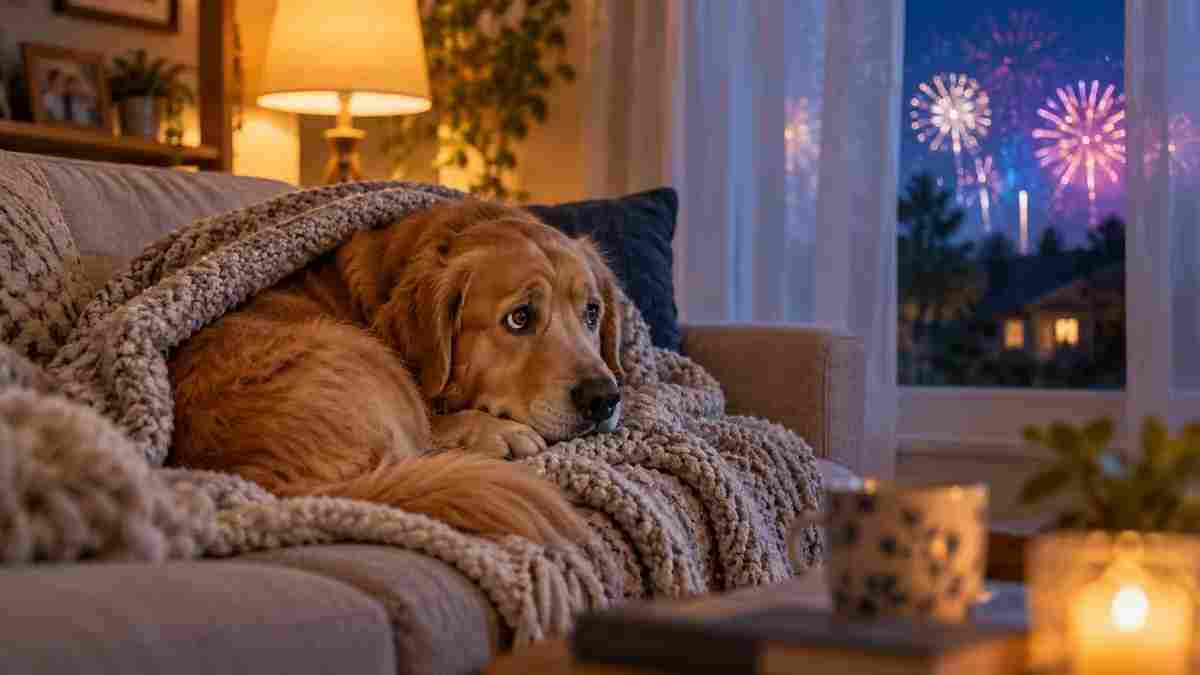
How to Keep Your Dog Calm During Fireworks
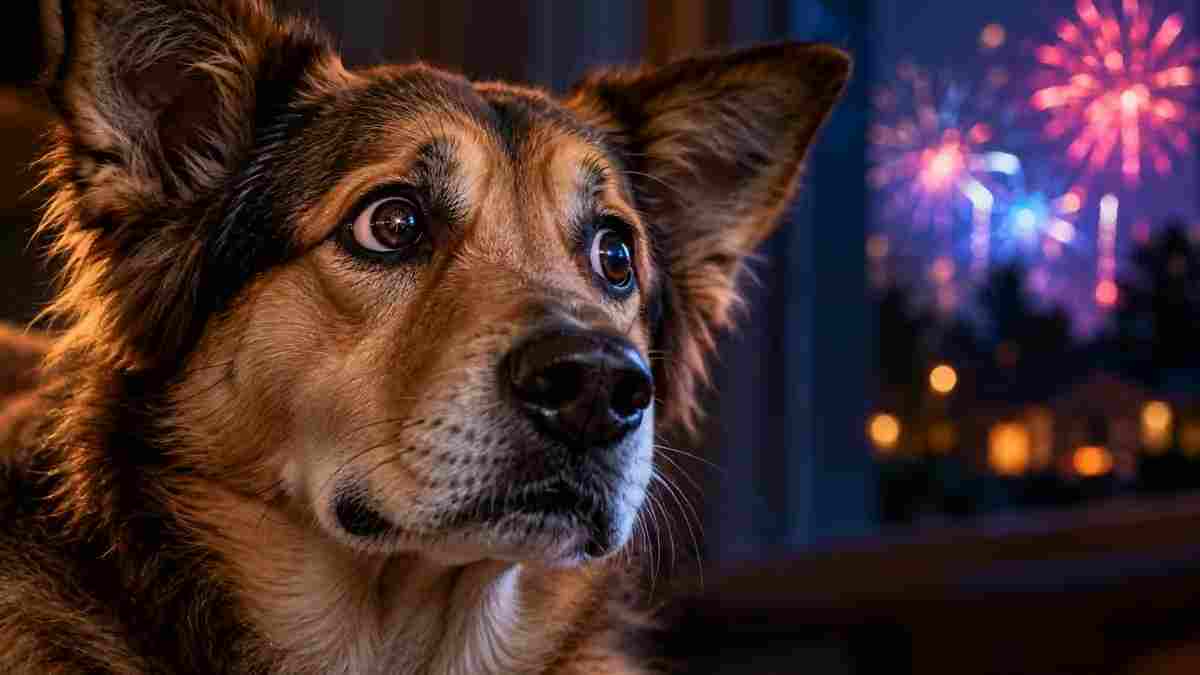
If you’ve ever watched your dog go from snoring on the couch to shaking behind the toilet in about two seconds flat, you know exactly why fireworks night can be rough. It’s hard to watch. You want to explain that the noise isn’t going to hurt them, and of course you can’t.
[Your story here: one or two lines about your own dog and their first bad fireworks night. Readers trust a real experience far more than a list of tips.]
Here’s the thing, though. A scared dog on fireworks night isn’t a lost cause. Noise fear is incredibly common, and shelters tend to get a wave of runaway dogs after big celebrations, so you’re far from the only owner dealing with this. A little planning goes a long way. So does knowing what not to do.
Below, I’ll walk you through why fireworks scare dogs so much, how to tell when your dog is struggling, how to get ready, what to do while the bangs are going off, and how to chip away at the fear over time.
Short on time? Here’s the quick version:
- Set up a quiet, cozy hiding spot indoors before dark.
- Walk and feed your dog early.
- Shut the curtains and put on the TV or some music.
- Stay relaxed, and yes, it’s okay to comfort them.
- Double-check their ID tag and microchip details.
- If your dog truly panics, call your vet ahead of time.
- Start sound training months before next year’s fireworks.
Why Are Dogs So Scared of Fireworks?
Put yourself in your dog’s paws for a second. Out of nowhere, the sky starts cracking and booming. There’s no warning, no visible cause, and no way to know when it’ll stop. Pretty unsettling, right?
Their ears are much sharper than ours
Dogs hear sounds we can’t, and they hear them from much farther away. So a firework that makes you jump a little? For your dog, it’s a lot louder and a lot closer than it seems to you.
Nothing about it is predictable
A thunderstorm at least has a build-up. The wind picks up, the air changes, the rain starts. Fireworks just… happen. One bang, then silence, then five more from the other side of the house. Your dog can’t work out where the threat is, and that uncertainty is what really gets to them.
It’s not only the noise
Flashes through the window. The smell of smoke drifting in. The low thud you can almost feel in the floor. Every one of those tells your dog something is wrong.
Some dogs get it worse
Rescue dogs with an unknown past, older dogs, naturally nervous dogs, and dogs who didn’t hear many different sounds as puppies are often hit hardest. And if nothing is done, the fear tends to snowball a little more each year.
Signs Your Dog Is Stressed by Fireworks
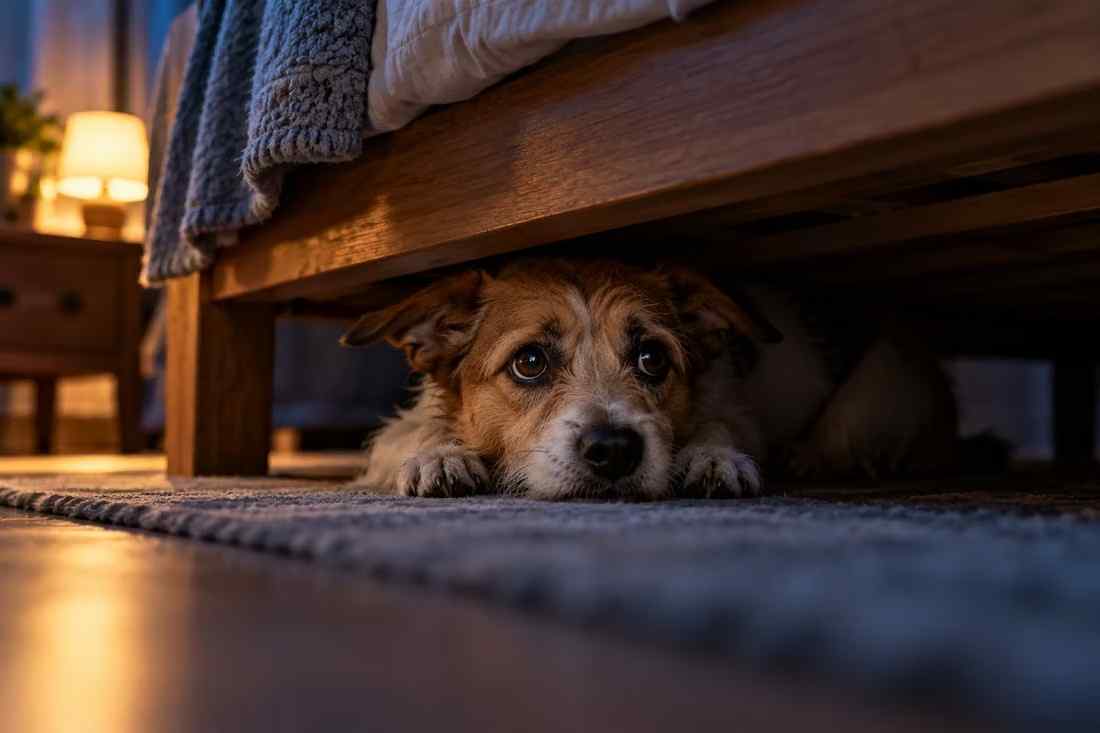
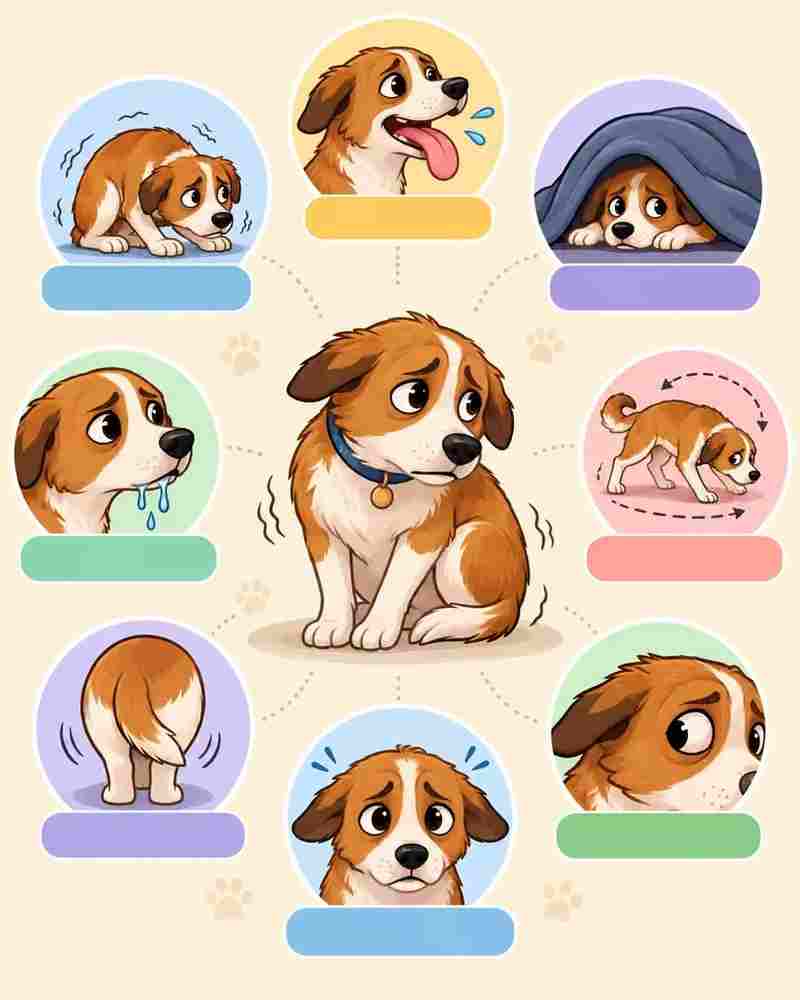
Some dogs make it obvious. Others are quieter about it, and you might miss the early signs if you’re not looking. Keep an eye out for:
- Heavy panting when they haven’t been running around
- Pacing, or getting up and lying down over and over
- Trembling
- Hiding behind furniture, in the bathroom, or behind your legs
- Drooling or lots of lip licking
- Whining, barking, or howling
- Tail tucked, ears flat back
- “Whale eye,” where you can see the whites of their eyes
- Ignoring food, even their favorite treats
- Sticking to you like glue, or trying to get out of the house
- An accident indoors from a dog who’s normally house-trained
A bit of panting and following you around? That’s usually manageable at home. But if your dog is clawing at doors, hurting themselves, or still can’t settle hours after it’s gone quiet, please talk to your vet. That’s real distress, and there’s real help for it.
How to Prepare Before Fireworks Night
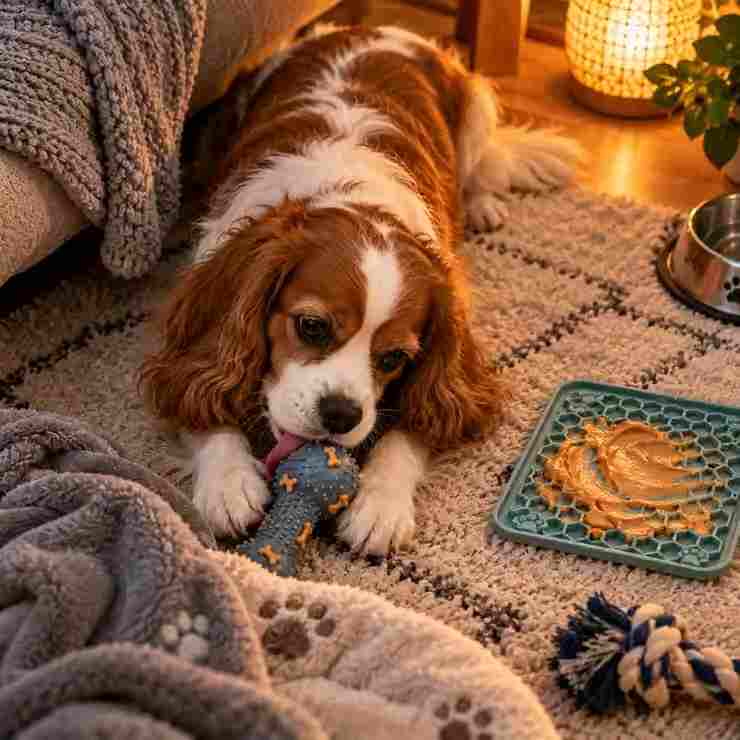
Honestly, most of the work happens before the first rocket goes up. If you can, start a few days early. Earlier is even better.
1. Build your dog a safe den
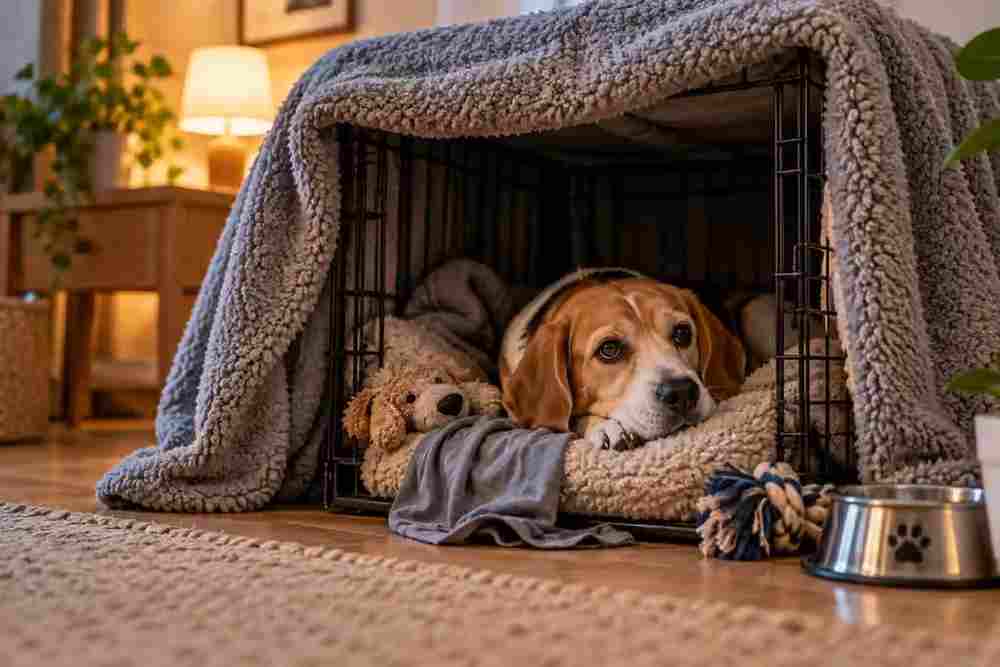
Choose a room toward the middle of the house, somewhere with as few windows as possible. A walk-in closet or a back bedroom works well. Put their bed or crate in there with a couple of blankets, a favorite toy, and an old T-shirt that smells like you. If you’re using a crate, throw a blanket over it so it feels more like a little cave, and keep the door open.
Then spend a few days making that spot the best place in the house. Hand out treats there. Give chews there. The idea is that when the noise starts, your dog already knows where to go to feel safe.
[Optional: describe your own dog’s safe spot, even if it’s just “under my desk.”]
2. Walk and feed them early
Get a proper walk or a good game of fetch in during the afternoon, while it’s still light out. A tired dog settles more easily, and you won’t get caught outside when the first bang goes off.
Move dinner a bit earlier too. Plenty of dogs lose their appetite once they’re stressed, and a full belly helps them feel sleepy.
3. Check their ID and microchip
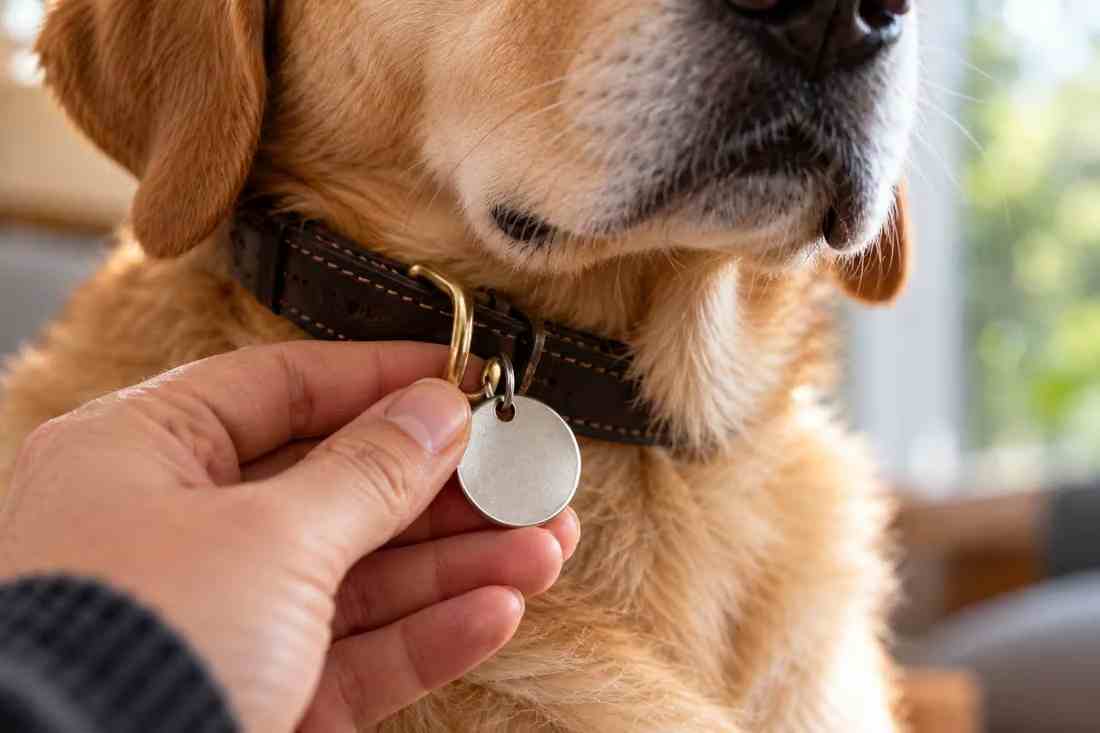
This one takes five minutes and matters a lot. Make sure your dog’s collar has a tag with your current phone number on it. Then log in to your microchip company’s website and check that your details are up to date. If the worst happens and your dog bolts, this is how they get home.
4. Dog-proof the house and yard
Take a slow lap around the fence and look for gaps or loose boards. Lock the dog flap. If you’re expecting guests, ask them to close the door behind them right away. A panicked dog can be through a half-open door before anyone notices.
5. Call your vet if the fear is serious
If last year was bad, don’t wait until the day of. Book a vet appointment now. Your vet can rule out other problems and, if it makes sense, prescribe something to take the edge off. Some medications need a trial run first, which is another reason not to leave it to the last minute. And please don’t give your dog anything from your own medicine cabinet. Some human medicines are seriously dangerous for dogs.
What to Do During the Fireworks
 Okay, it’s started. Now the job is simple: cut down what your dog can hear and see, and help them feel safe.
Shut everything
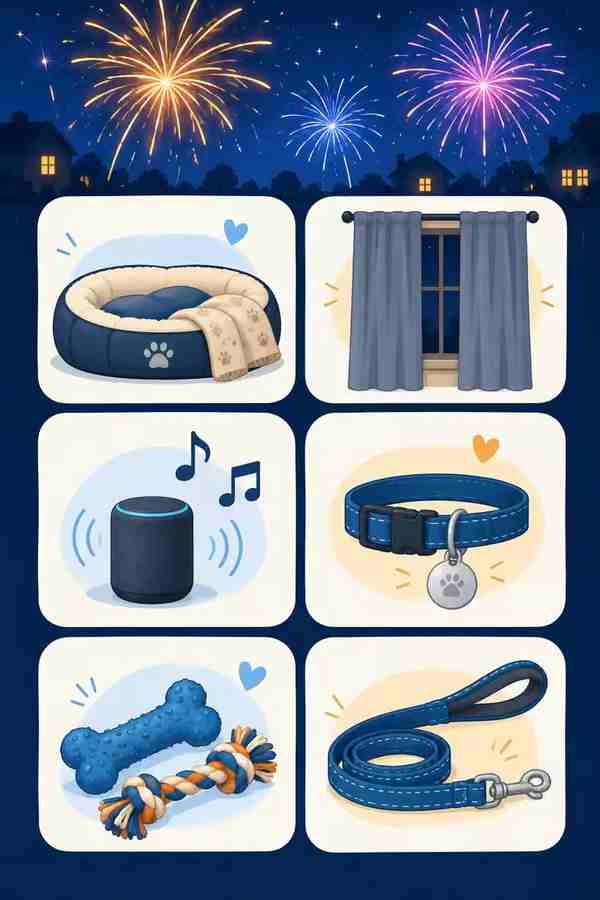
Close the windows, pull the curtains, drop the blinds. It won’t block every sound, but it softens the bangs and hides most of the flashes. Leaving a few lights on inside also makes the flashes outside less noticeable.
Fill the room with sound
Put the TV on. Play some music. Run a fan or a white noise machine. Steady background noise blurs the sharp edges of each bang. Plenty of owners swear by soft classical music, but anything calm and constant will do.
Stay chill (even if you’re not)
Dogs are very good at reading us. If you keep jumping up to look out the window or talking in a worried voice, your dog picks up on it. Try to just get on with your evening. Watch a show. Read. Speak to your dog in the same easy tone you’d use on any other night.
You might have heard that comforting a frightened dog “rewards” the fear and makes it worse. It doesn’t. Fear is a feeling, not a behavior you’re training. If your dog comes to you, go ahead and pet them, let them lean on you, or sit on the floor beside them. If they’d rather be alone in their den, that’s fine too. Just don’t drag them out.
Give them something to chew
Chewing and licking actually help dogs calm down. A frozen stuffed Kong, a lick mat with a bit of peanut butter (xylitol-free), or a long-lasting chew can give them something else to focus on. If they’re too stressed to touch it, don’t push.
Try a snug wrap
Some dogs relax a lot in an anxiety vest. The steady, gentle pressure works a bit like swaddling a baby. Others couldn’t care less. Try it on a normal, quiet day first so it doesn’t feel strange on the big night.
Leash up for bathroom breaks
Even if your yard is fenced, clip the leash on. One loud bang is all it takes for a dog to clear a fence or find a gap you never knew was there. Quick trip out, straight back in.
Mistakes to Avoid
Nobody means to make it worse. But these are the ones I see people make most often:
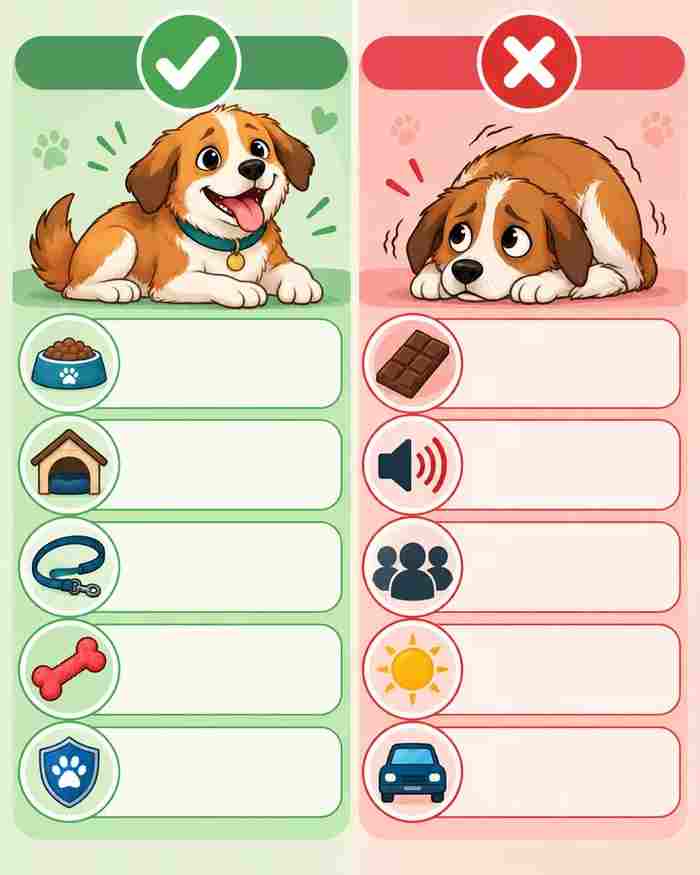
- Telling your dog off. Barking, shaking, even an accident on the rug. Your dog isn’t misbehaving. They’re terrified, and scolding only adds to it.
- Taking them to a fireworks show. The “they’ll get used to it” idea almost always backfires. Up-close fireworks usually make the fear much, much worse.
- Leaving them outside or in the car. Alone and outdoors, a scared dog can panic, get hurt, or run. A car isn’t a safe hiding place either.
- Heading out for the night. If you can, stay home. If you can’t, ask someone your dog knows and trusts to stay with them.
- Reaching for human meds. I know it’s tempting. Don’t. Only give what your vet has prescribed.
- Pulling them out of hiding. That hiding spot is how they cope. Leave them be.
Long-Term Fix: Desensitization Training
Everything above is about getting through the night. If you actually want next year to be easier, though, this is where it’s at. Trainers call it desensitization and counterconditioning. That’s a mouthful, but the idea is simple: you slowly teach your dog that the sound of fireworks is no big deal, and maybe even means something good is coming.
Here’s roughly how it goes:
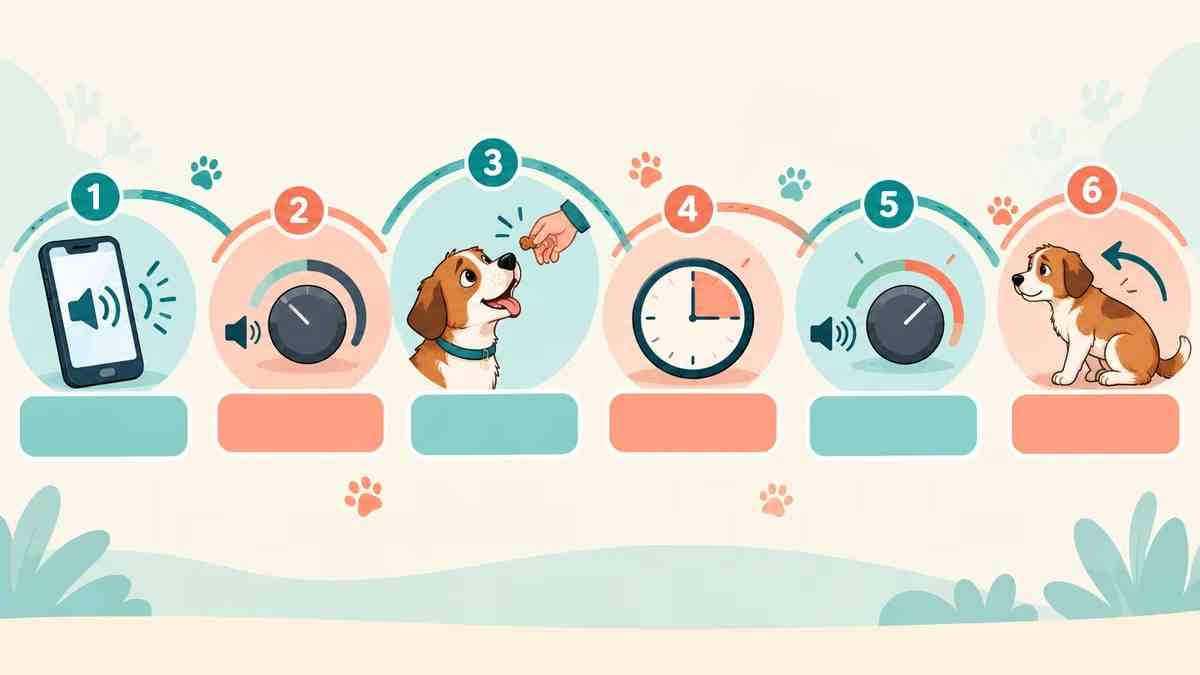
- Find a fireworks recording. There are loads of free ones on YouTube.
- Play it really, really quietly. So quiet your dog barely flicks an ear. If they get tense, it’s too loud.
- Make good stuff happen. While it plays, hand out tasty treats, play tug, or serve dinner.
- Keep it short. A few minutes, once or twice a day, is plenty.
- Turn it up bit by bit. Over days and weeks, nudge the volume up a little. Only go louder when your dog is totally relaxed at the current level.
- Back off if they’re uneasy. Any sign of stress means you’ve gone too fast. Drop the volume and slow down.
This isn’t a quick fix. It often takes weeks, sometimes a few months, so start well before fireworks season comes around again. And if your dog’s fear is severe, a certified trainer or a veterinary behaviorist can build a plan that fits your dog.
Calming Products That May Help
There’s no shortage of products promising a calm dog. Some work for some dogs. None of them work for every dog. These are the ones worth a look:
- Anxiety wraps. Steady, gentle pressure that some dogs really respond to.
- Pheromone diffusers or collars. They give off a scent based on the calming pheromone mother dogs produce. Plug them in a few days ahead so they have time to work.
- Calming chews. Usually made with things like L-theanine or tryptophan. Check with your vet first, especially if your dog’s on other medication.
- Dog ear muffs. Great if your dog will tolerate them, which some won’t. Introduce them slowly, with lots of treats.
- Lick mats and long-lasting chews. Cheap, simple, and surprisingly effective.
[If you’ve tried any of these with your own dog, say what worked and what didn’t. It’s the most useful thing you can add here.]
Just don’t expect any product to do all the work. A safe space, a bit of prep, and you staying calm will always matter more.
Frequently Asked Questions
Should I comfort my dog during fireworks?
Yes, absolutely. Comforting your dog won’t make them more scared. If they come to you, a gentle hand and a calm voice can help a lot. Just try not to sound worried yourself.
Can I give my dog something to calm down?
Only what your vet prescribes. They’ll know what’s safe for your dog’s age, size, and health. Calming chews, pheromone diffusers, and wraps are gentler options you can ask about too.
Do puppies get scared of fireworks?
They can, yes. But puppyhood is also the best time to prevent it. Getting your pup used to all kinds of everyday sounds, including quiet fireworks recordings paired with treats, can save you a lot of trouble later on.
My dog ran away during the fireworks. What now?
Move fast. Search nearby, since a lot of scared dogs hide close to home. Call local vets, shelters, and animal control. Post a clear photo in local lost-pet groups. And make sure your microchip company has your current number.
How long does fireworks anxiety last?
It depends on the dog. Some bounce back within minutes. Others stay jumpy for a day or two. Keep things calm and predictable the next day, and if your dog still isn’t themselves after that, check in with your vet.
Final Thoughts
Fireworks night doesn’t have to be a nightmare. Get the den ready, walk and feed early, and check that ID. When the bangs start, close up the house, put something on, and just be there. Then, once it’s all over, start the sound training so next year is a little easier than this one.
With Diwali, Bonfire Night, and New Year’s Eve all coming up, there’s no better time to start. Every dog is different, so give it some patience and adjust as you go. And if the fear is really bad, lean on your vet. That’s what they’re there for.
What gets your dog through fireworks night? Drop your tips in the comments. Other pet parents will thank you. And if you want more guides like this, come say hi on the All Pet Lover YouTube channel.
